Product Categories

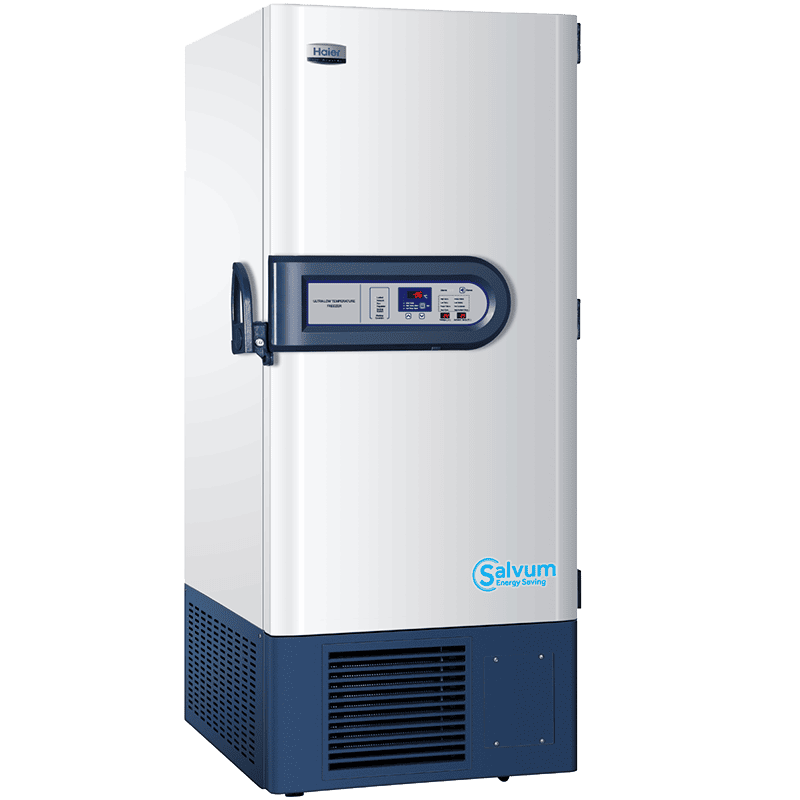
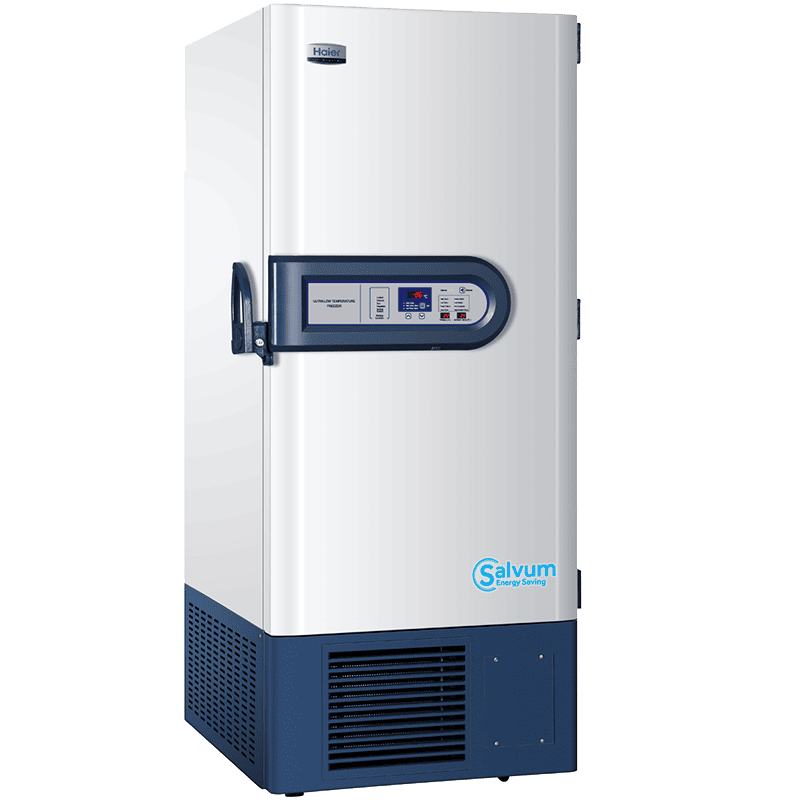
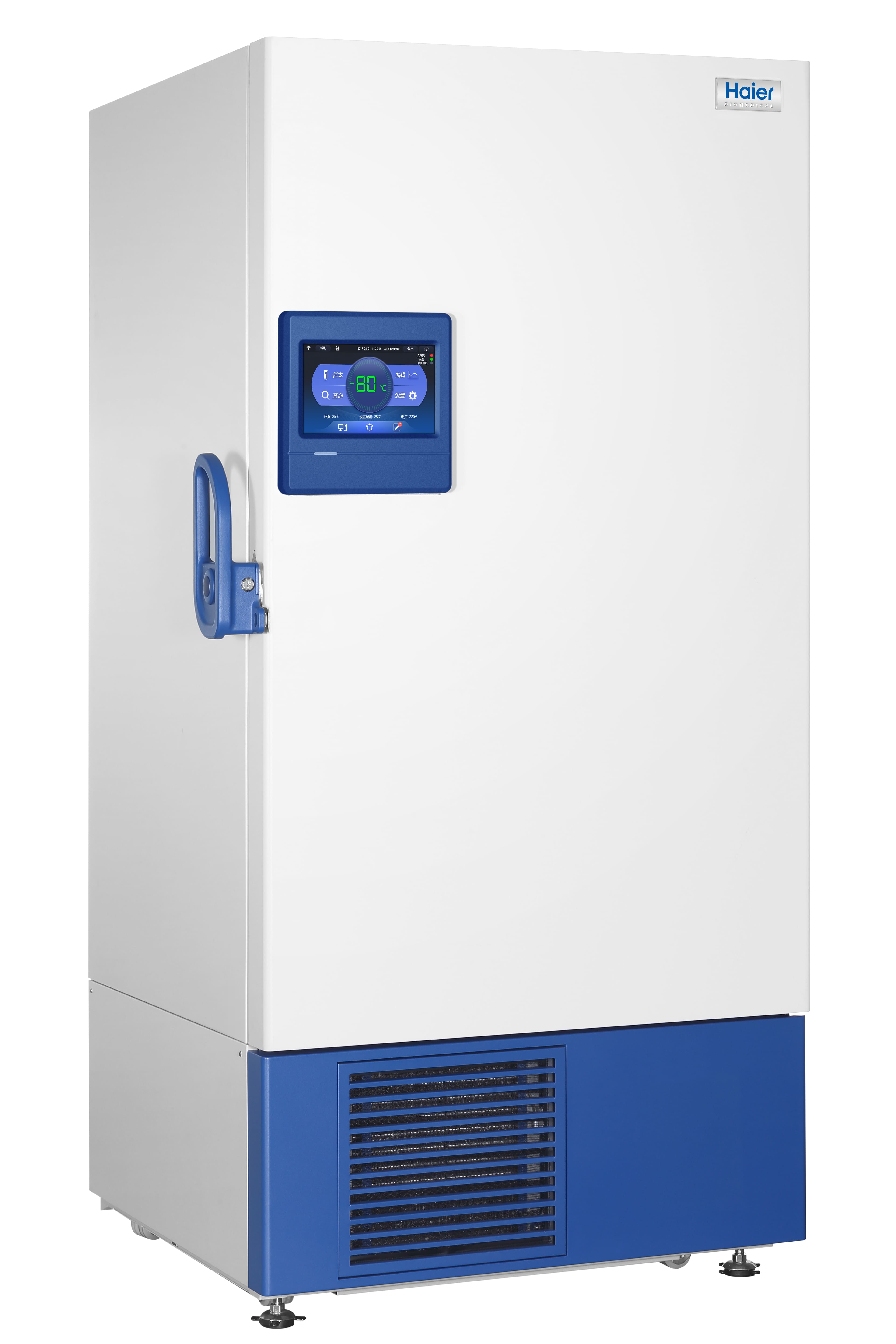
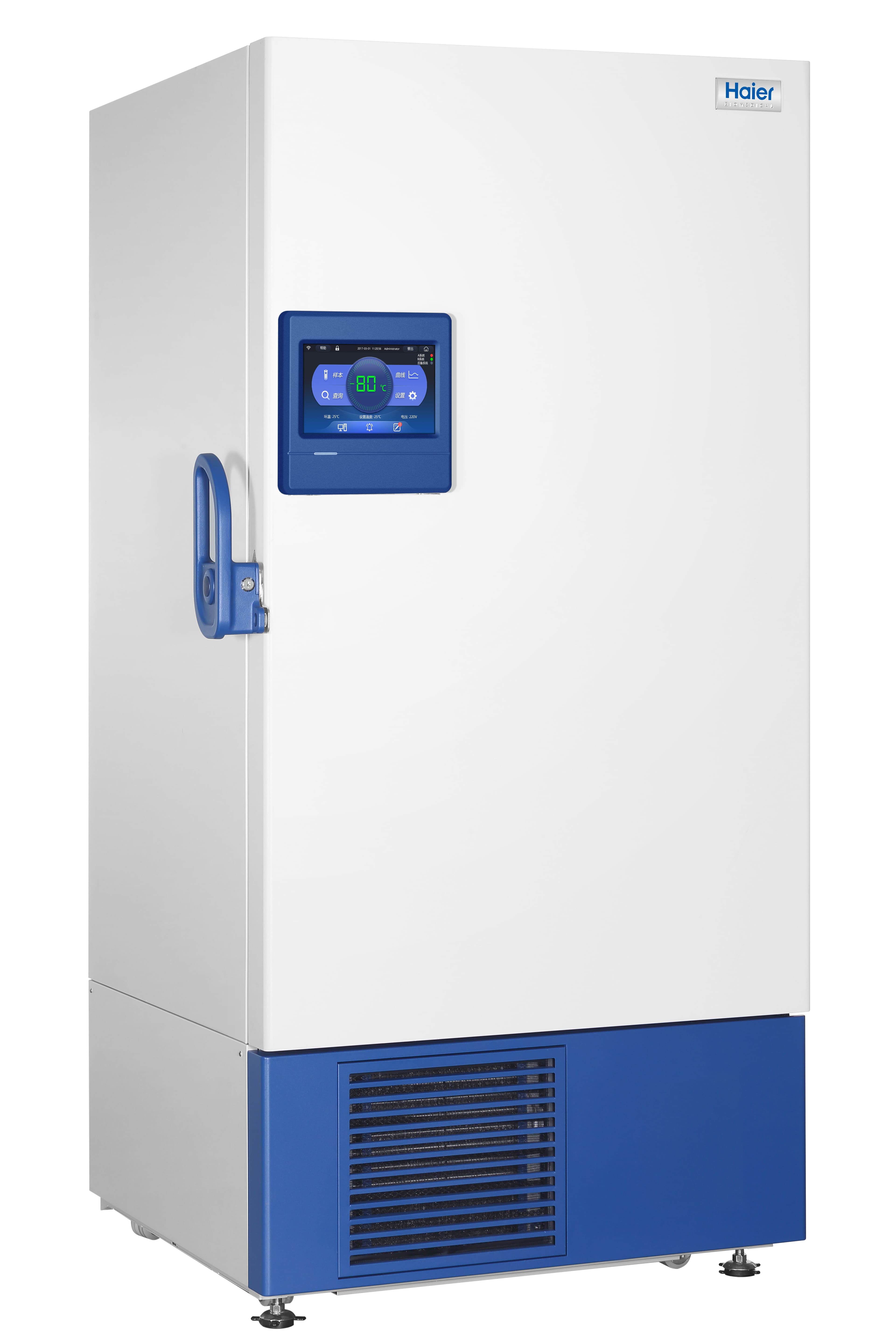
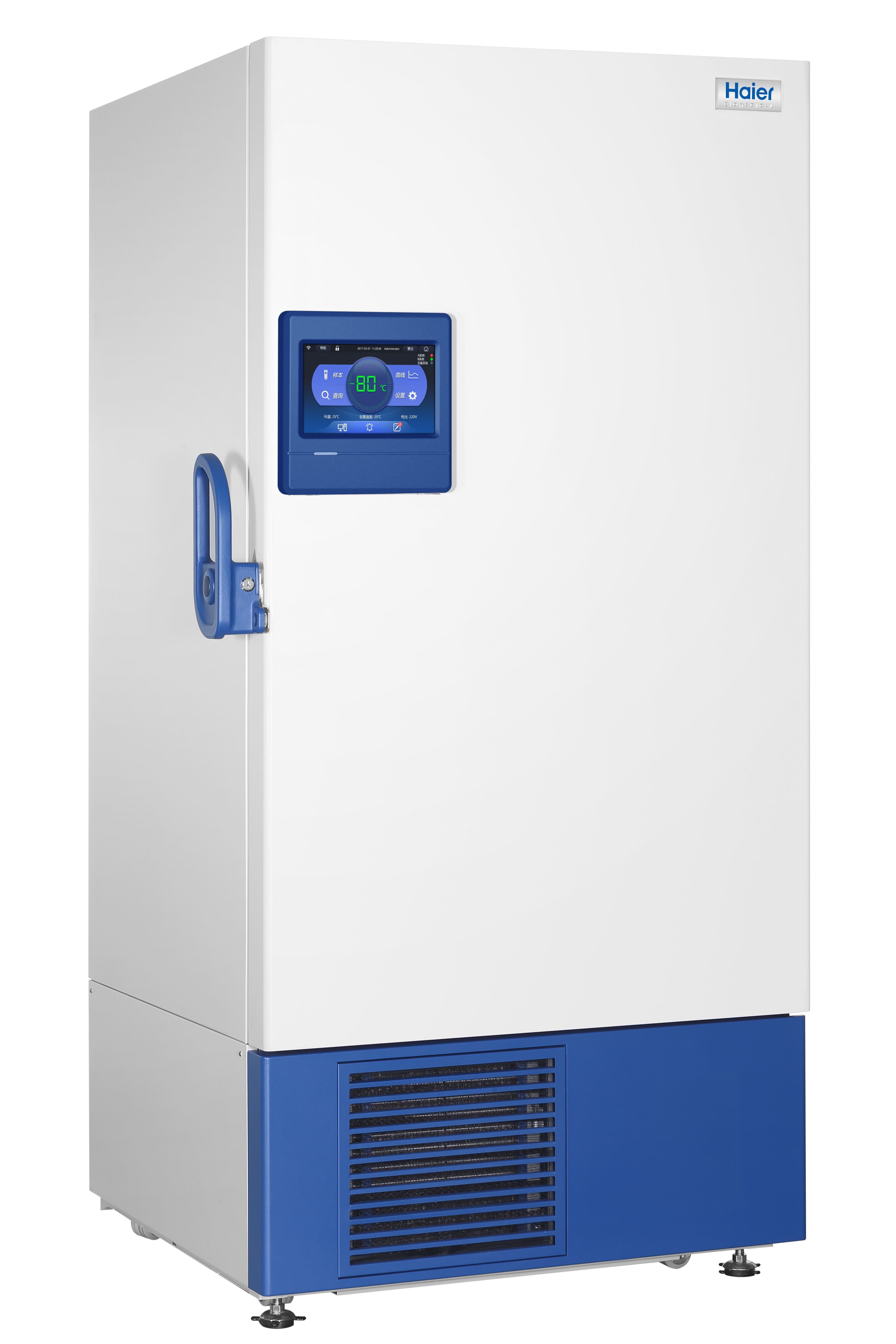
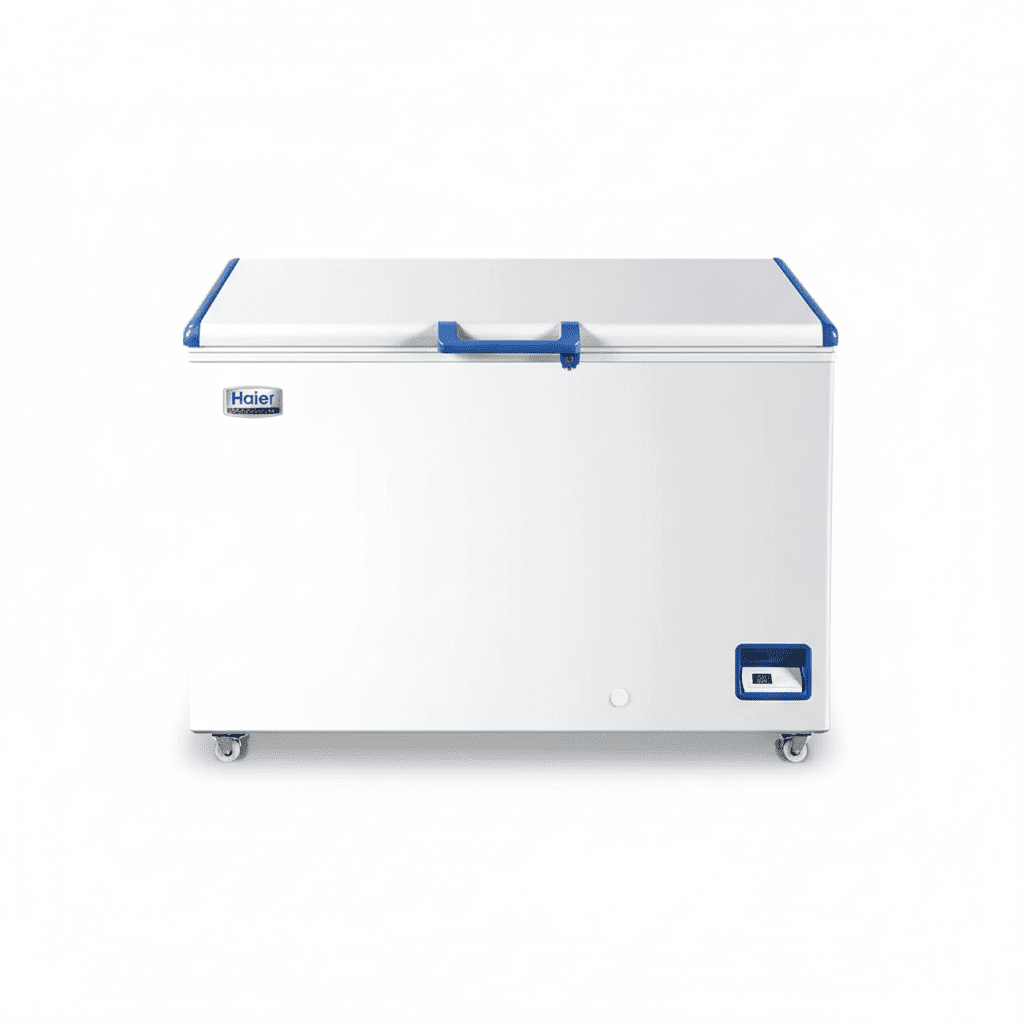
Deep Freezers

Deep Freezers

Laboratory-Grade Freezers: Wide Applications and Excellent Solutions Laboratory-grade freezers are indispensable devices in the biotechnology, chemistry, pharmacy, and healthcare sectors. They are also widely used in food engineering, cosmetic testing, and research laboratories. These freezers provide excellent solutions, especially in fields where long-term sample storage is required, offering superior security and efficiency.

Examine
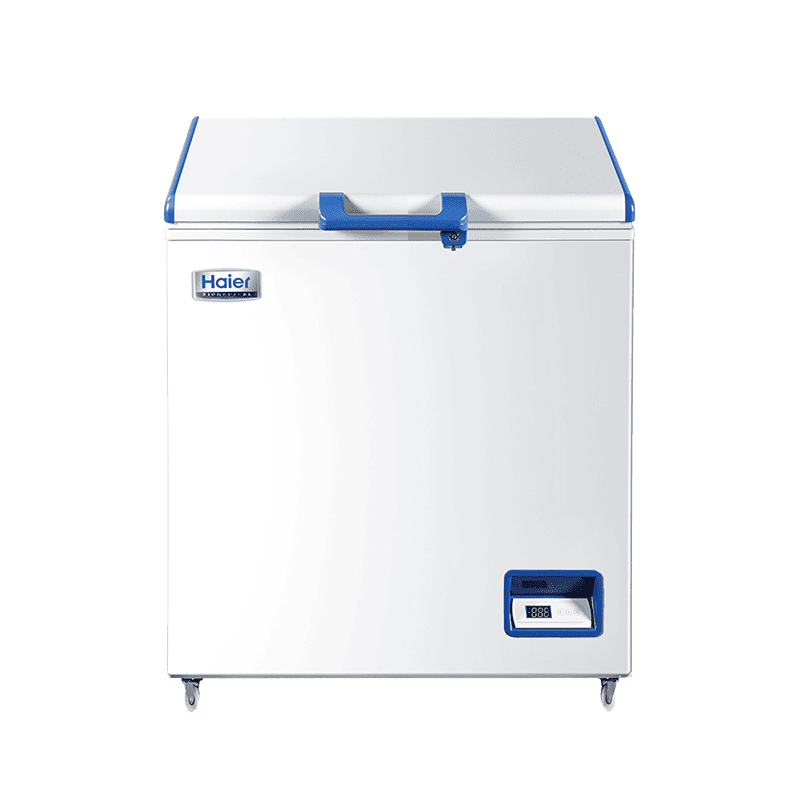
Cooled Incubators

Cooled Incubators

Offering incubation capabilities over a wide temperature range (generally able to operate below and above room temperature), refrigerated incubators are ideal especially for applications requiring low-temperature incubation. They are frequently used in fields such as microbiology, food science, insect studies, and long-term stability tests. Designed with precise temperature control and energy efficiency in mind, our refrigerated incubators help you achieve reliable results and meet the diverse needs of your laboratory. They are available with different volume and control options.

Examine
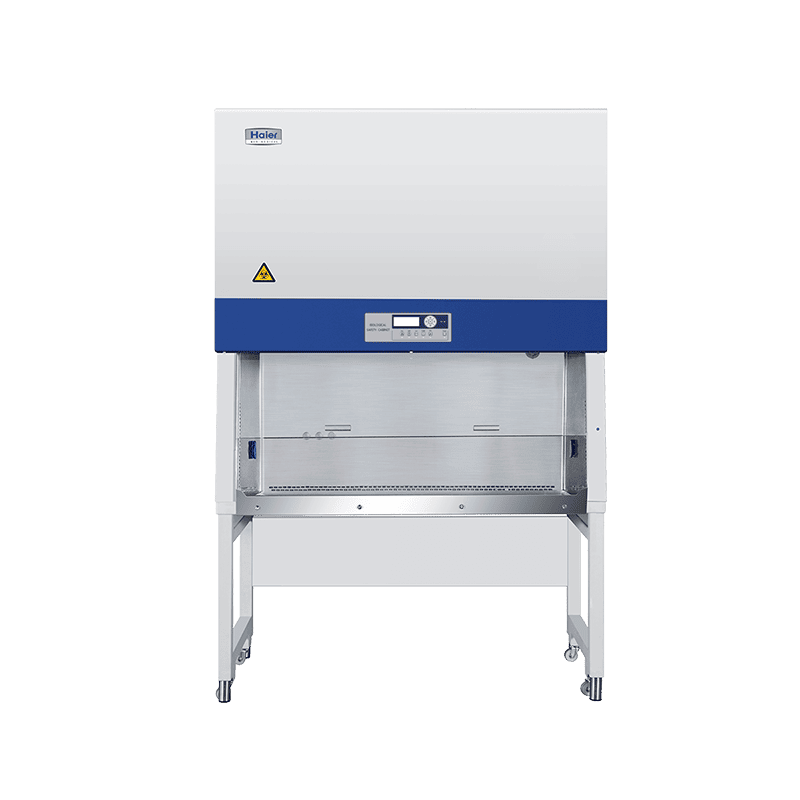
Class III Biosafety Cabinets

Class III Biosafety Cabinets

Biological Safety Cabinets Class III are safety cabinets that offer high biological safety protection to the operator, the product and the environment when the microbiological work is conducted on but not limited to Class 4 pathogenic agents. These agents are considered high risk and can potentially cause a lethal disease if inhaled.

Examine
Class III Biosafety Cabinets

Class III Biosafety Cabinets

Biological Safety Cabinets Class III are safety cabinets that offer high biological safety protection to the operator, the product and the environment when the microbiological work is conducted on but not limited to Class 4 pathogenic agents. These agents are considered high risk and can potentially cause a lethal disease if inhaled.

Examine
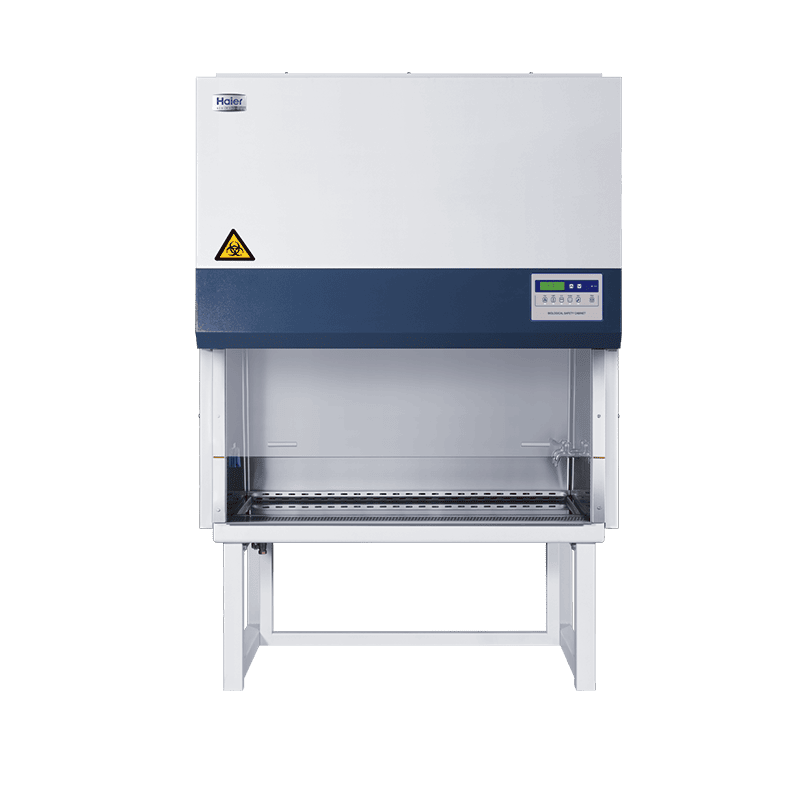
Class II Biological Safety Cabinets

Class II Biological Safety Cabinets

Class II Biological Safety Cabinets: Your Safe Workspace In laboratories, the protection of personnel, products, and the environment is of critical importance. When working with hazardous microorganisms or materials that pose a contamination risk, selecting the right equipment plays a vital role. This is where Class II Biological Safety Cabinets (BSCs) come in. Class II Biological Safety Cabinets are designed to provide a safe and sterile working environment in many fields, including microbiology, virology, cell culture, and genetic engineering. These cabinets filter air through high-efficiency particulate air (HEPA) filters, ensuring the protection of the product inside from the outside environment, and the personnel outside from the material inside. At the same time, they prevent the spread of potentially contaminated aerosols into the laboratory environment, thereby guaranteeing environmental protection. There are different types of Class II Cabinets (Type A1, A2, B1, B2), and their airflow dynamics and exhaust systems vary according to application and safety requirements. Whether you are conducting routine laboratory work or handling biohazardous materials, choosing the right Class II Cabinet forms the foundation of your work safety and the accuracy of your experiments. By selecting the most suitable Class II Biological Safety Cabinet for your laboratory's needs, you can ensure both safety and efficiency. Our expert team is ready to help you determine the most appropriate cabinet type and find the ideal solution for your laboratory.

Examine
Class II Biological Safety Cabinets

Class II Biological Safety Cabinets

Class II Biological Safety Cabinets: Your Safe Workspace In laboratories, the protection of personnel, products, and the environment is of critical importance. When working with hazardous microorganisms or materials that pose a contamination risk, selecting the right equipment plays a vital role. This is where Class II Biological Safety Cabinets (BSCs) come in. Class II Biological Safety Cabinets are designed to provide a safe and sterile working environment in many fields, including microbiology, virology, cell culture, and genetic engineering. These cabinets filter air through high-efficiency particulate air (HEPA) filters, ensuring the protection of the product inside from the outside environment, and the personnel outside from the material inside. At the same time, they prevent the spread of potentially contaminated aerosols into the laboratory environment, thereby guaranteeing environmental protection. There are different types of Class II Cabinets (Type A1, A2, B1, B2), and their airflow dynamics and exhaust systems vary according to application and safety requirements. Whether you are conducting routine laboratory work or handling biohazardous materials, choosing the right Class II Cabinet forms the foundation of your work safety and the accuracy of your experiments. By selecting the most suitable Class II Biological Safety Cabinet for your laboratory's needs, you can ensure both safety and efficiency. Our expert team is ready to help you determine the most appropriate cabinet type and find the ideal solution for your laboratory.

Examine
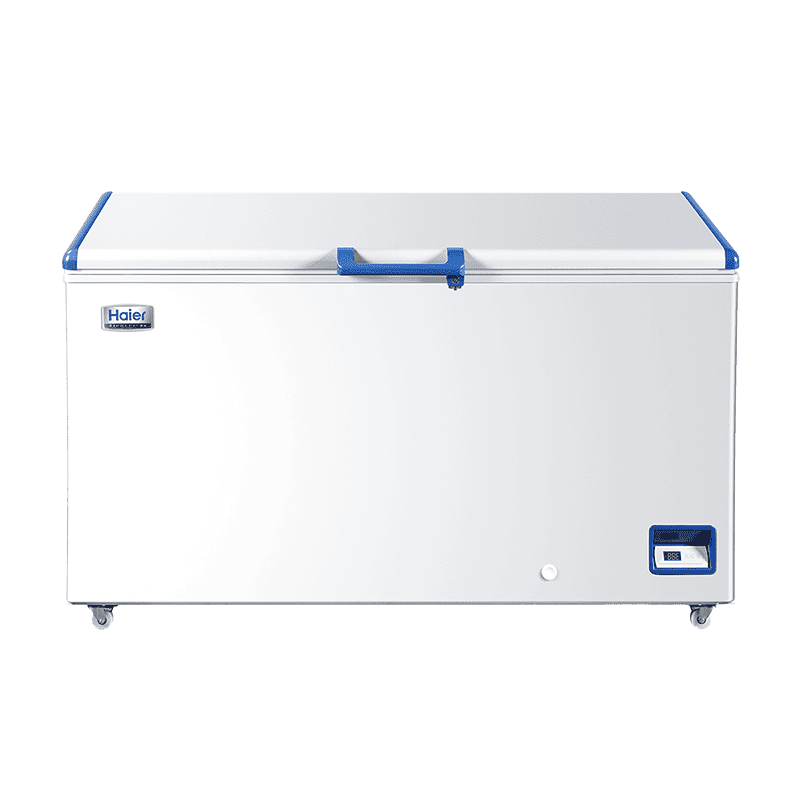
- 25 C Deep Freezers

- 25 C Deep Freezers

Examine
- 25 C Deep Freezers

- 25 C Deep Freezers

Examine
- 30 C Deep Freezers

- 30 C Deep Freezers

Unlike domestic freezers, these cabinets provide temperature stability thanks to the insulation materials they use, so the temperature measurements made from different areas of the device do not differ greatly and do not make the user doubt about product safety.

Examine
- 30 C Deep Freezers

- 30 C Deep Freezers

Unlike domestic freezers, these cabinets provide temperature stability thanks to the insulation materials they use, so the temperature measurements made from different areas of the device do not differ greatly and do not make the user doubt about product safety.

Examine
- 40C Deep Freezers

- 40C Deep Freezers

Unlike domestic freezers, these cabinets provide temperature stability thanks to the insulation materials they use, so the temperature measurements made from different areas of the device do not differ greatly and do not make the user doubt about product safety.

Examine
- 40C Deep Freezers

- 40C Deep Freezers

Unlike domestic freezers, these cabinets provide temperature stability thanks to the insulation materials they use, so the temperature measurements made from different areas of the device do not differ greatly and do not make the user doubt about product safety.

Examine
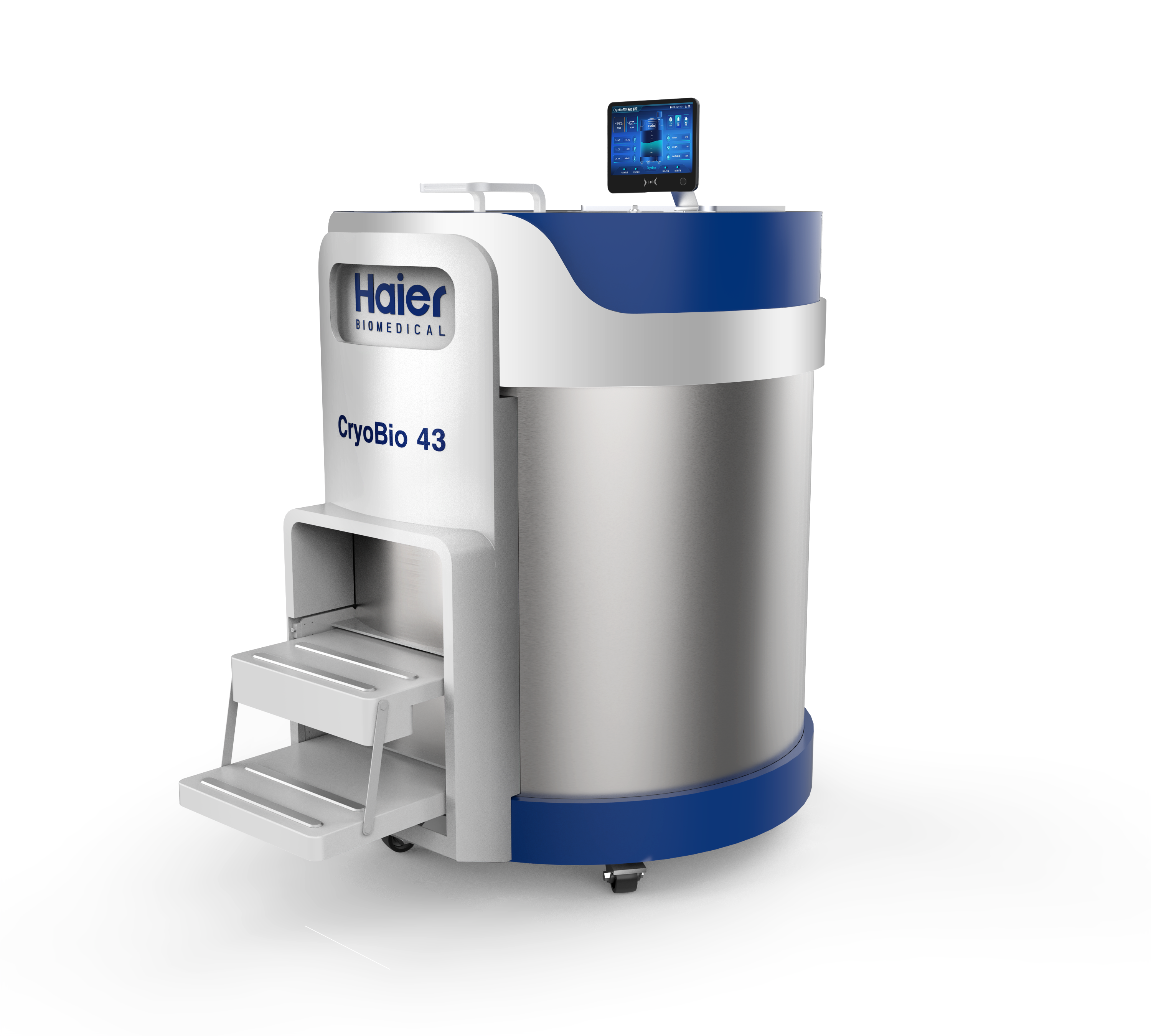
-150 C Cryogenic Freezers

-150 C Cryogenic Freezers

Cryopreservation (freezing) is the process of storing a living organism, cell or tissue at ultra-low temperatures in such a way that the frozen material can be brought back to a living state after freezing. Storage is achieved by keeping the samples below approximately -130ºC, the temperature at which the aqueous solutions of the samples no longer sublimate and recrystallize. -150ºC mechanical freezers are used for long-term preservation. Mechanical 150ºC freezers, which offer storage and preservation solutions with maximum storage capacity with optimum homogeneity; Prevent cross-contamination, Provide safe and comfortable use, have a specially designed cascade cooling system, are low-cost compared to storage in liquid nitrogen, and maximize storage capacity thanks to VIP Plus insulation. -150ºC / - 152ºC ultra-low temperature deep freezers are used in; • Umbilical cord blood as a source of hematopoietic stem and progenitor cells. • Stem cells for autologous transplants in patients who have received high-dose chemotherapy. • Fat, epithelial cells and bone marrow for stem cell therapy. • Blood products for immunology analysis. • Mesenchymal stromal cells for regenerative medicine and tissue engineering. • Cancerous tissue samples. • Semen for artificial insemination - used to raise guide dogs and racehorses. • Oocytes and embryos for IVF. • Ovarian tissue for preserved reproductive function in women undergoing treatment. • Plant seeds/shoots for breeding. • Components for tight fitting of parts in industrial manufacturing. • Temperature testing of parts in the automotive and aerospace industries.

Examine
-150 C Cryogenic Freezers

-150 C Cryogenic Freezers

Cryopreservation (freezing) is the process of storing a living organism, cell or tissue at ultra-low temperatures in such a way that the frozen material can be brought back to a living state after freezing. Storage is achieved by keeping the samples below approximately -130ºC, the temperature at which the aqueous solutions of the samples no longer sublimate and recrystallize. -150ºC mechanical freezers are used for long-term preservation. Mechanical 150ºC freezers, which offer storage and preservation solutions with maximum storage capacity with optimum homogeneity; Prevent cross-contamination, Provide safe and comfortable use, have a specially designed cascade cooling system, are low-cost compared to storage in liquid nitrogen, and maximize storage capacity thanks to VIP Plus insulation. -150ºC / - 152ºC ultra-low temperature deep freezers are used in; • Umbilical cord blood as a source of hematopoietic stem and progenitor cells. • Stem cells for autologous transplants in patients who have received high-dose chemotherapy. • Fat, epithelial cells and bone marrow for stem cell therapy. • Blood products for immunology analysis. • Mesenchymal stromal cells for regenerative medicine and tissue engineering. • Cancerous tissue samples. • Semen for artificial insemination - used to raise guide dogs and racehorses. • Oocytes and embryos for IVF. • Ovarian tissue for preserved reproductive function in women undergoing treatment. • Plant seeds/shoots for breeding. • Components for tight fitting of parts in industrial manufacturing. • Temperature testing of parts in the automotive and aerospace industries.

Examine
90°C Moist Heat Sterilization

90°C Moist Heat Sterilization

90°C humid heat sterilization is an effective and material-friendly method for protecting your cell cultures against common laboratory contaminants. This technology uses heat combined with humidity inside the incubator to routinely remove microorganisms such as bacteria, yeast, and fungi. Advantages: Lower temperatures extend the life of sensitive internal components such as sensors, and it can be easily run at frequent intervals. Ideal for laboratories working with standard cell lines.

Examine
90°C Moist Heat Sterilization

90°C Moist Heat Sterilization

90°C humid heat sterilization is an effective and material-friendly method for protecting your cell cultures against common laboratory contaminants. This technology uses heat combined with humidity inside the incubator to routinely remove microorganisms such as bacteria, yeast, and fungi. Advantages: Lower temperatures extend the life of sensitive internal components such as sensors, and it can be easily run at frequent intervals. Ideal for laboratories working with standard cell lines.

Examine
180°C Dry Heat Sterilization

180°C Dry Heat Sterilization

180°C dry air sterilization is one of the most reliable sterilization methods defined in pharmacopoeias. By raising the incubator chamber to a high temperature, it completely destroys all life forms, including the most resistant bacterial spores and mycoplasmas. • Advantages: GMP-compliant facilities are considered the "gold standard" for critical applications requiring the highest level of sterility, such as drug development and stem cell applications.

Examine
180°C Dry Heat Sterilization

180°C Dry Heat Sterilization

180°C dry air sterilization is one of the most reliable sterilization methods defined in pharmacopoeias. By raising the incubator chamber to a high temperature, it completely destroys all life forms, including the most resistant bacterial spores and mycoplasmas. • Advantages: GMP-compliant facilities are considered the "gold standard" for critical applications requiring the highest level of sterility, such as drug development and stem cell applications.

Examine
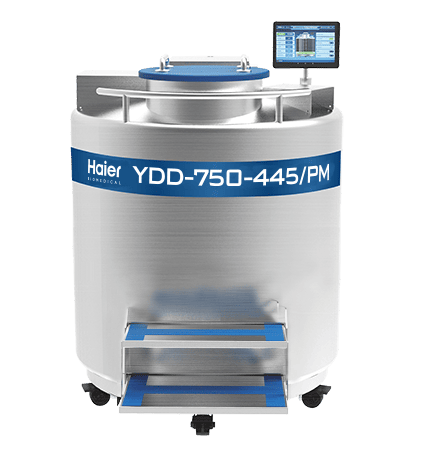
Liquid Nitrogen Tanks

Liquid Nitrogen Tanks

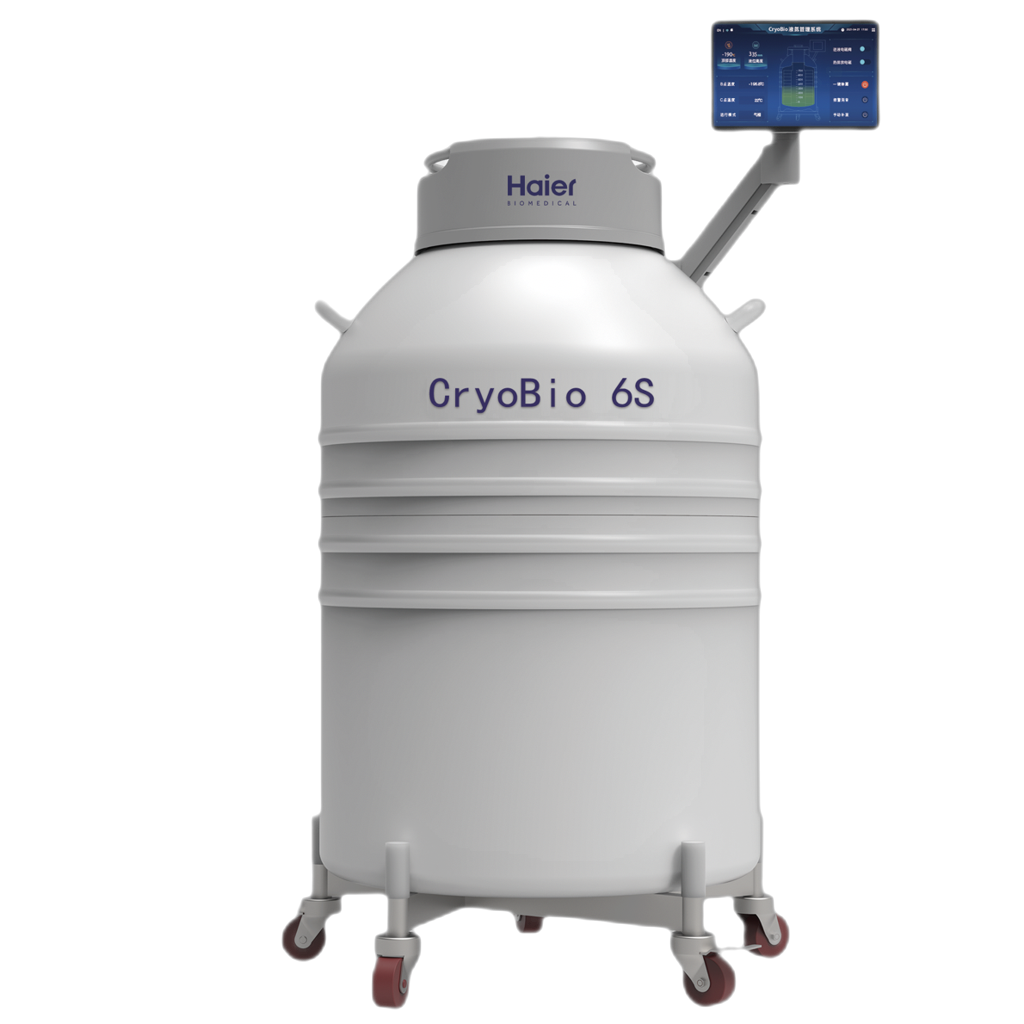
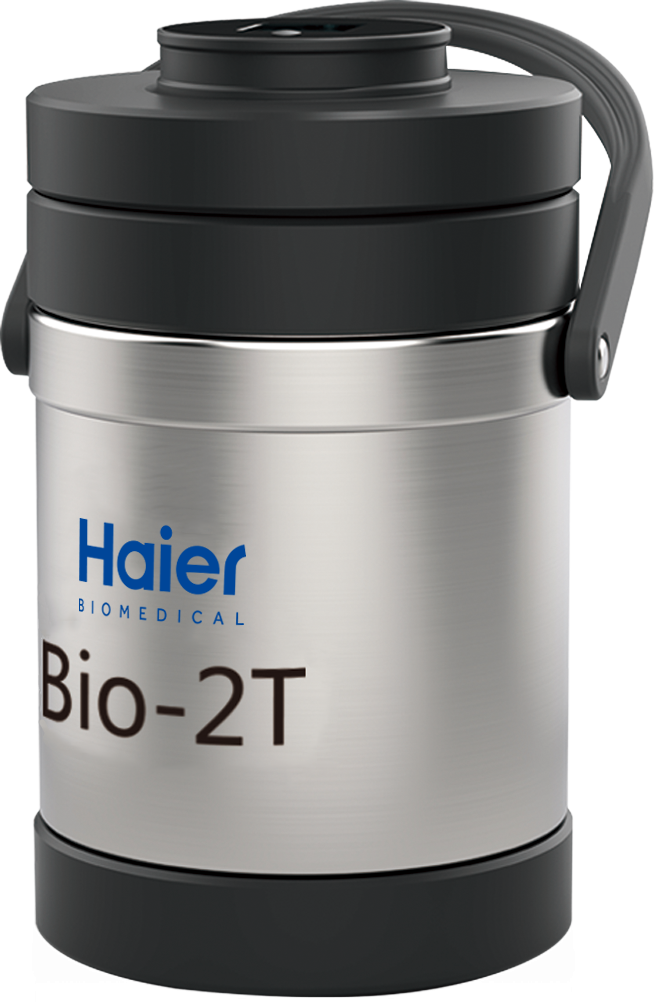
Liquid Nitrogen Tanks Liquid nitrogen tanks are specially designed containers used to store liquid nitrogen at very low temperatures. Liquid nitrogen is a very cold liquid with a boiling point of -196 °C (-321 °F). Therefore, tanks used to store liquid nitrogen must be able to withstand this temperature and have very good thermal insulation.

Examine
Analytical Instruments

Analytical Instruments

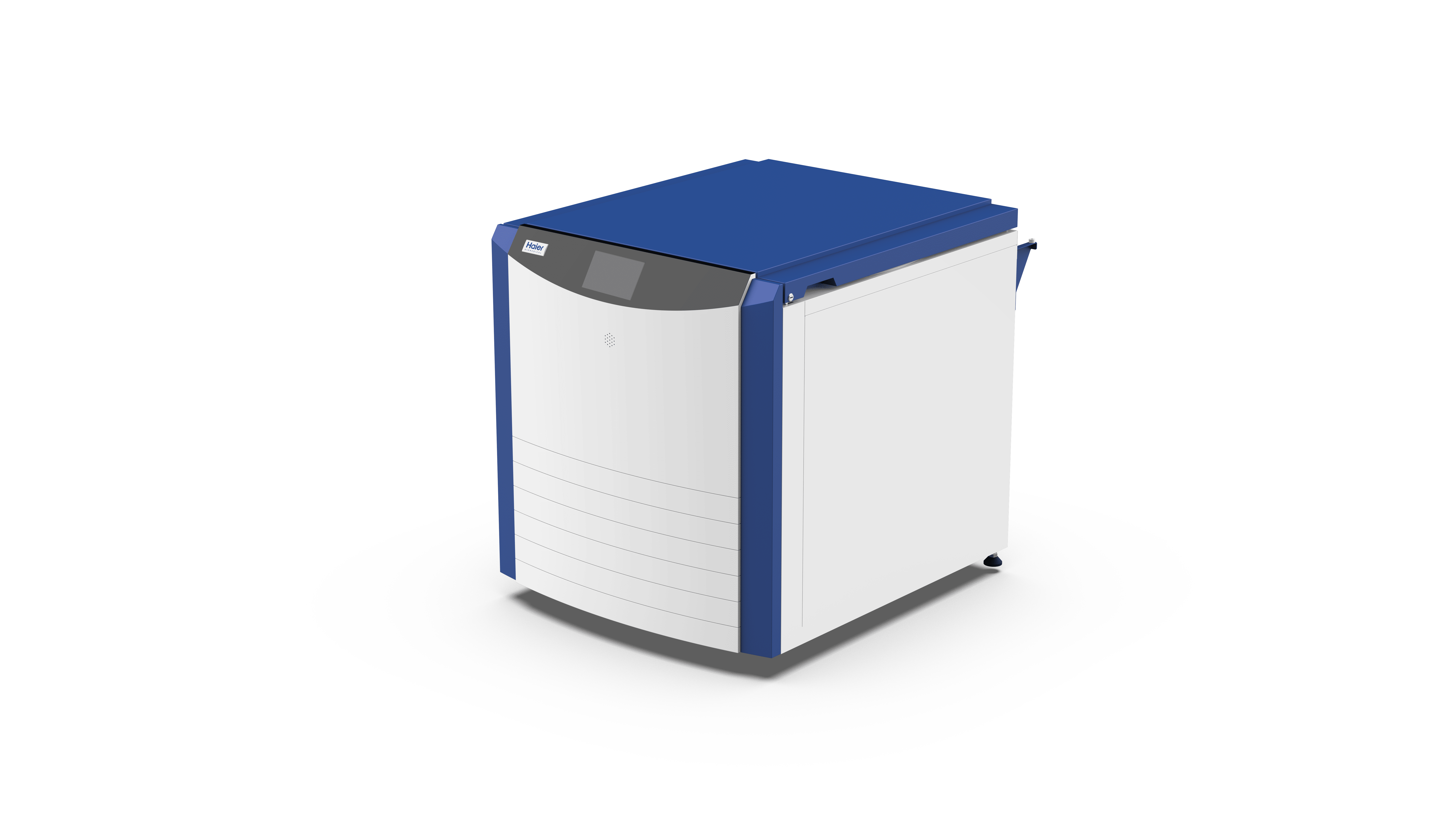
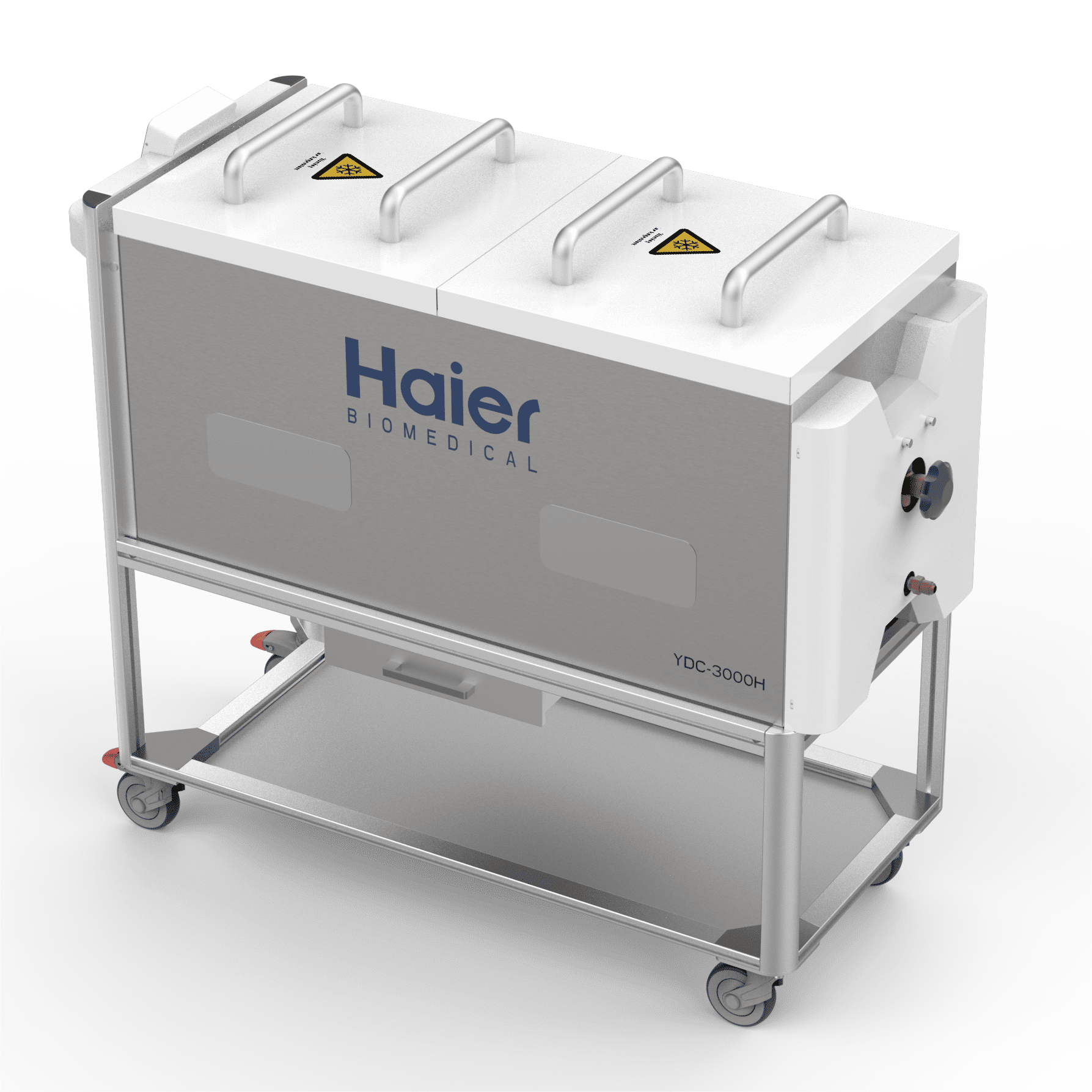
Advanced Laboratory Analysis and Preparation Solutions Haier Biomedical’s Analytical Instruments category is engineered to meet the highest standards of precision, reliability, and efficiency required by modern laboratories. This product line integrates three core technological solutions designed to optimize the entire workflow—from initial sample preparation to final analytical results.

Examine

Products

Description

Haier Biomedical was established to focus on the research and development, production and sales of low-temperature storage equipment for biomedical samples. Based on the concept of IoT, the company has become a digital scenario solution provider in the field of life science and medical innovation. Aiming to create the best user experience, the company mainly operates in the field of life science and medical innovation, and provides comprehensive digital scenario solutions covering multiple product and service categories such as smart laboratory, digital hospital, smart public health, smart blood use to a wide range of user groups such as hospitals, biopharmaceutical enterprises, universities and colleges, scientific research institutions, disease control centers and blood stations.
Haier Biomedical's products and solutions have been used in more than 135 countries and regions around the world, and has established a continuously expanding overseas distribution network of more than 700. Haier Biomedical has established partnerships with more than 40 international organizations such as the World Health Organization (WHO), the United Nations International Children's Emergency Fund (UNICEF) and the United Nations Global Compact (UNGC).
Labor Ildam Laboratory Materials. Tic. Ltd. Sti. As Haier Biomedical, we have been providing representation and after-sales service since 2019.