
 Contact
 Menu
Menu Corporate
 Products


 Application Areas


 Sectors


 Representations





 Media & Press
 Contact
 Contact Information


Products












Frequently Asked Questions
No, household freezers are not suitable for laboratory standards. Temperature fluctuations in domestic appliances can reach ±5°C to ±10°C, which may render biological samples unusable. Laboratory freezers, on the other hand, operate with a highly precise tolerance of approximately ±1°C and are equipped with data logging capabilities.
When choosing a laboratory freezer, factors such as the ideal storage temperature required for the samples, the available laboratory space (upright or chest-type model selection), the unit’s energy efficiency rating, the presence of backup systems (CO₂/LN₂), and compliance with international standards (CE, ISO, and medical device certifications) should all be taken into consideration.
Description
What Is a Laboratory Freezer and Why Should It Be Preferred?
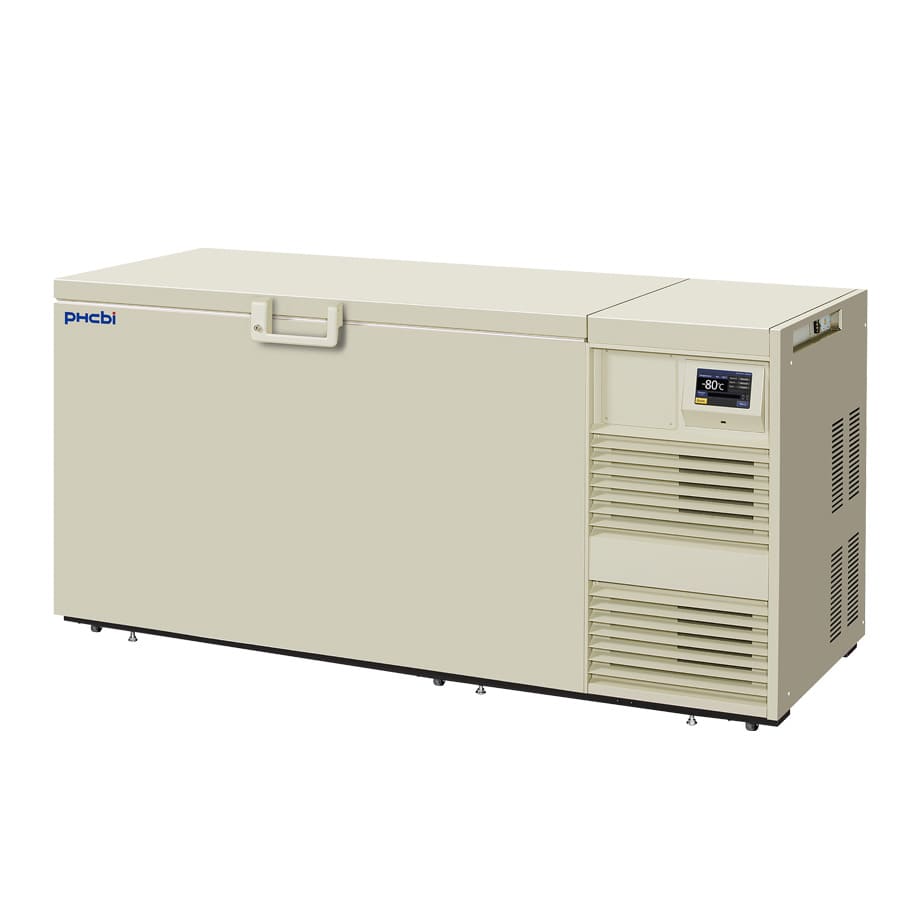
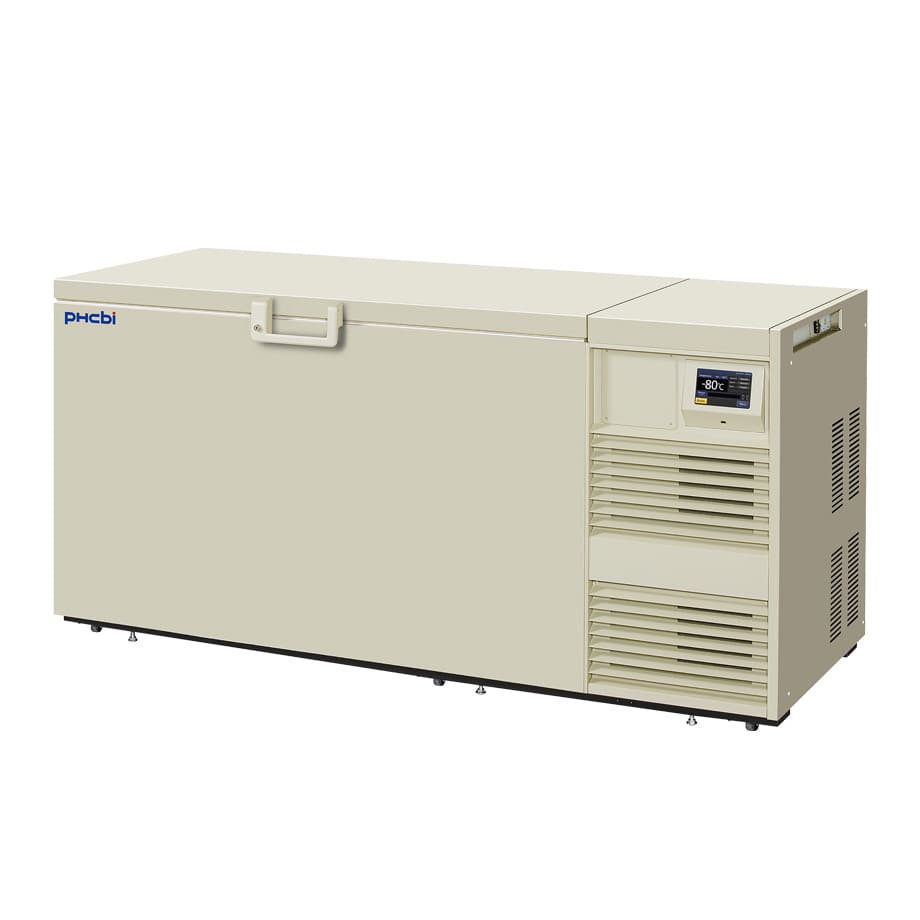
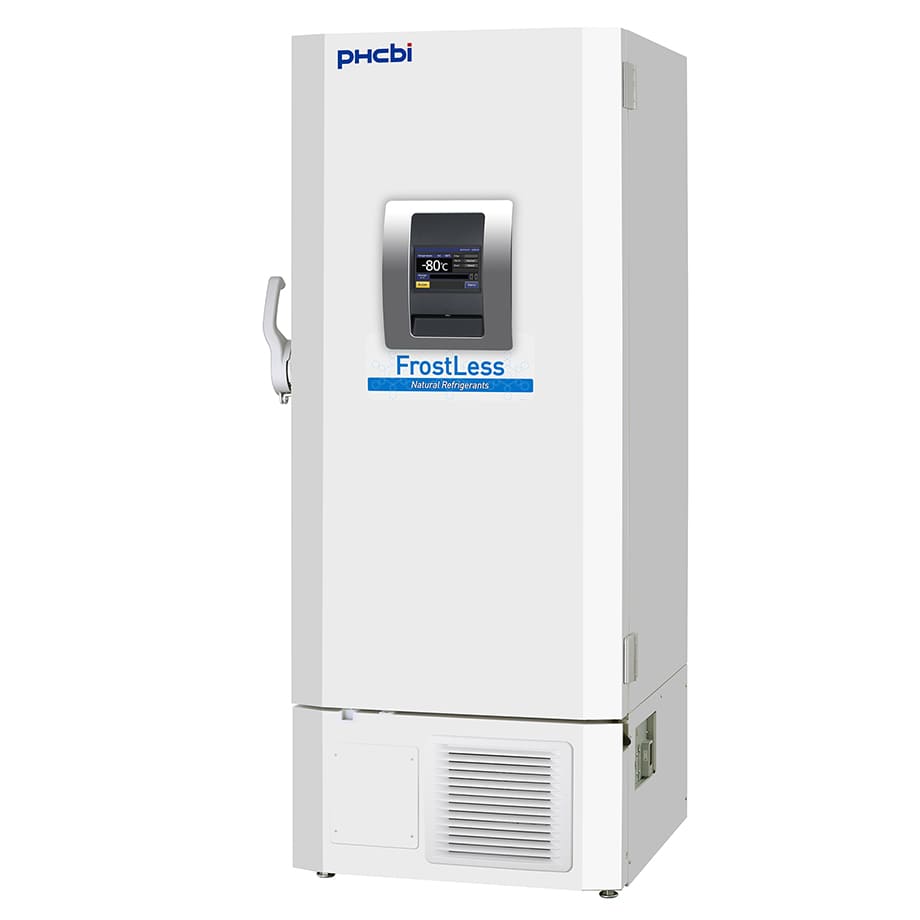
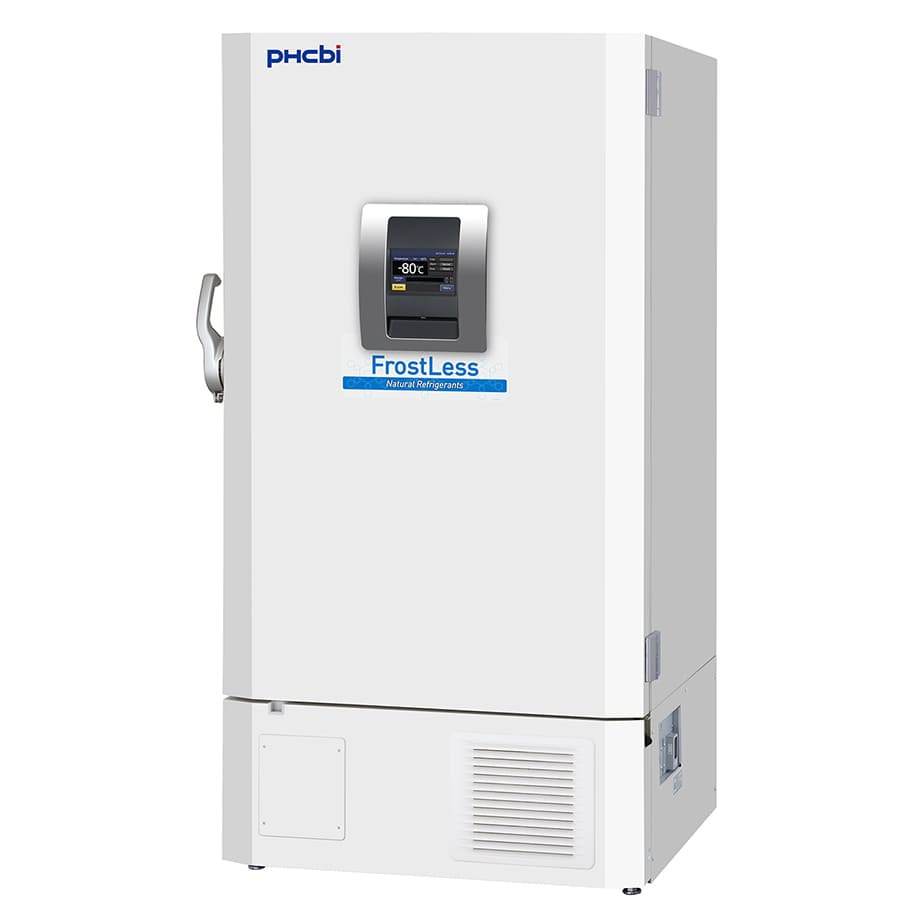
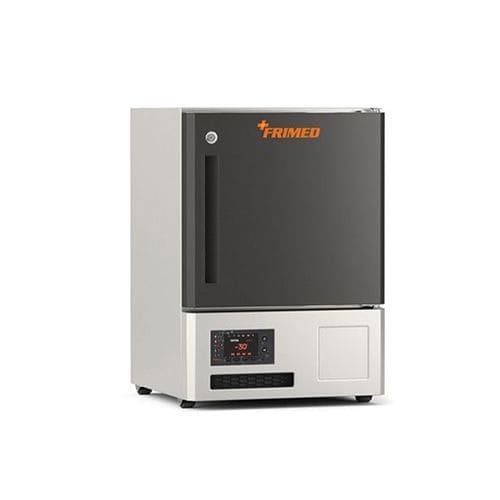
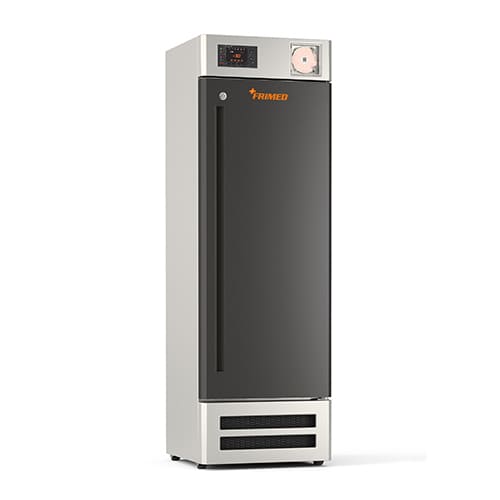
In laboratories, preserving medical samples, vaccines, enzymes, DNA/RNA specimens, and chemical substances without compromising their biological integrity depends on selecting the right climate-control equipment. Laboratory freezers, unlike household freezers, are professional devices designed to ensure the safety of critical samples through precision sensors that prevent temperature fluctuations, advanced alarm systems, and cryogenic technologies capable of reaching temperatures as low as -150°C.
Here are the main reasons why laboratory freezers are preferred in scientific research and medical facilities:
1. Maximum Storage Security for Critical Samples
Conventional freezers experience significant temperature fluctuations whenever the door is opened and closed, which can compromise the integrity of sensitive biological samples such as enzymes and antibodies. Laboratory freezers, on the other hand, maintain a stable and continuous low-temperature environment. Thanks to advanced insulation technologies, they protect samples from cross-contamination and deterioration while also reducing operational costs through high energy efficiency.
2. Precise Temperature Control and Smart Alarm Systems
These devices are equipped with microprocessor-based control systems and calibratable sensors. Temperature monitoring systems can detect even the slightest deviation instantly. In the event of a power outage, an open door, or a temperature increase, audible and visual alarms (as well as remote monitoring modules) help prevent damage to critical projects and valuable samples.
3. Durable Construction for Demanding Working Conditions
Laboratory environments require equipment that can withstand frequent door openings and continuous operation. Manufactured with stainless steel inner chambers, corrosion-resistant outer casings, and industrial-grade compressors, laboratory freezers provide reliable performance for many years without loss of efficiency, even under demanding conditions.
4. Temperature and Capacity Options Tailored to Your Needs
From small clinics to large R&D centers and university laboratories, vertical and chest-type models are available to suit every budget and storage requirement. The most important distinction is the temperature range selected according to the type of material being stored:
- -150°C Cryogenic Freezers: Ideal for storing stem cells, tissue samples, IVF materials, and long-term cell lines.
- -86°C ULT (Ultra-Low Temperature) Freezers: Essential for the storage of DNA/RNA extracts, viral strains, sensitive plasma samples, and next-generation mRNA vaccines.
- -60°C to -40°C Freezers: Preferred for maintaining the stability of specific biochemical reagents, enzymes, and pharmaceutical raw materials.
- -25°C to -30°C Freezers: Provide economical and reliable solutions for storing standard plasma bags, routine laboratory kits, and frequently used test samples.
 İstanbul Teknopark